I build AI and optimisation tools to address biodiversity and climate challenges.
Optimisation · machine learning · decisions under uncertainty
Research
Selected projects
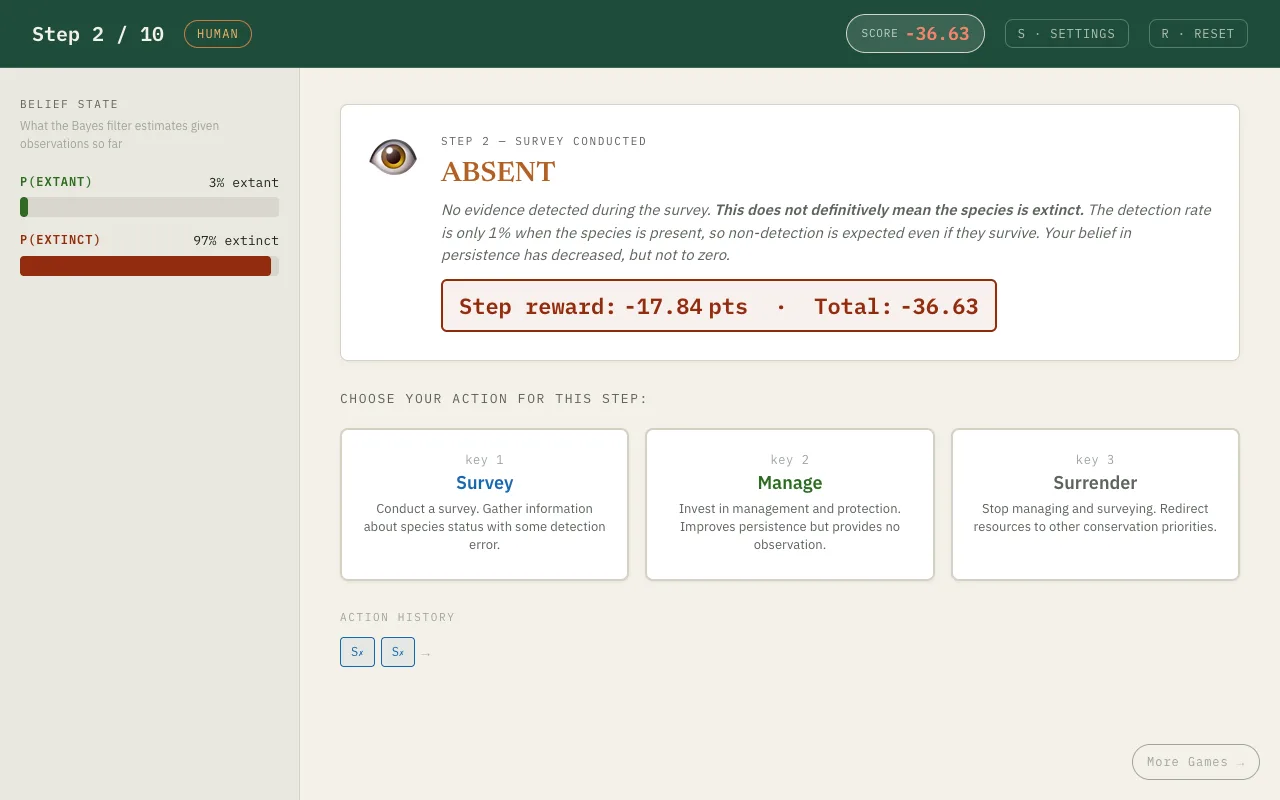
Conservation Under Uncertainty: POMDP Games
Browser-based games that teach decision-making under partial observability, from a Sumatran tiger demo to weeds, fisheries, finches, sea otters and wolves. You act on beliefs rather than the true state, manage budgets, and can compare your choices with optimal policies.
Forthcoming
vira: Risk-Averse Value of Information
An R package that calculates risk-averse value of information (EVPI, EVSI and EVPXI) under CRRA and CARA utility. It elicits risk preferences with adaptive Bayesian discrete-choice questions, and is designed for applied ecologists without an economics background.
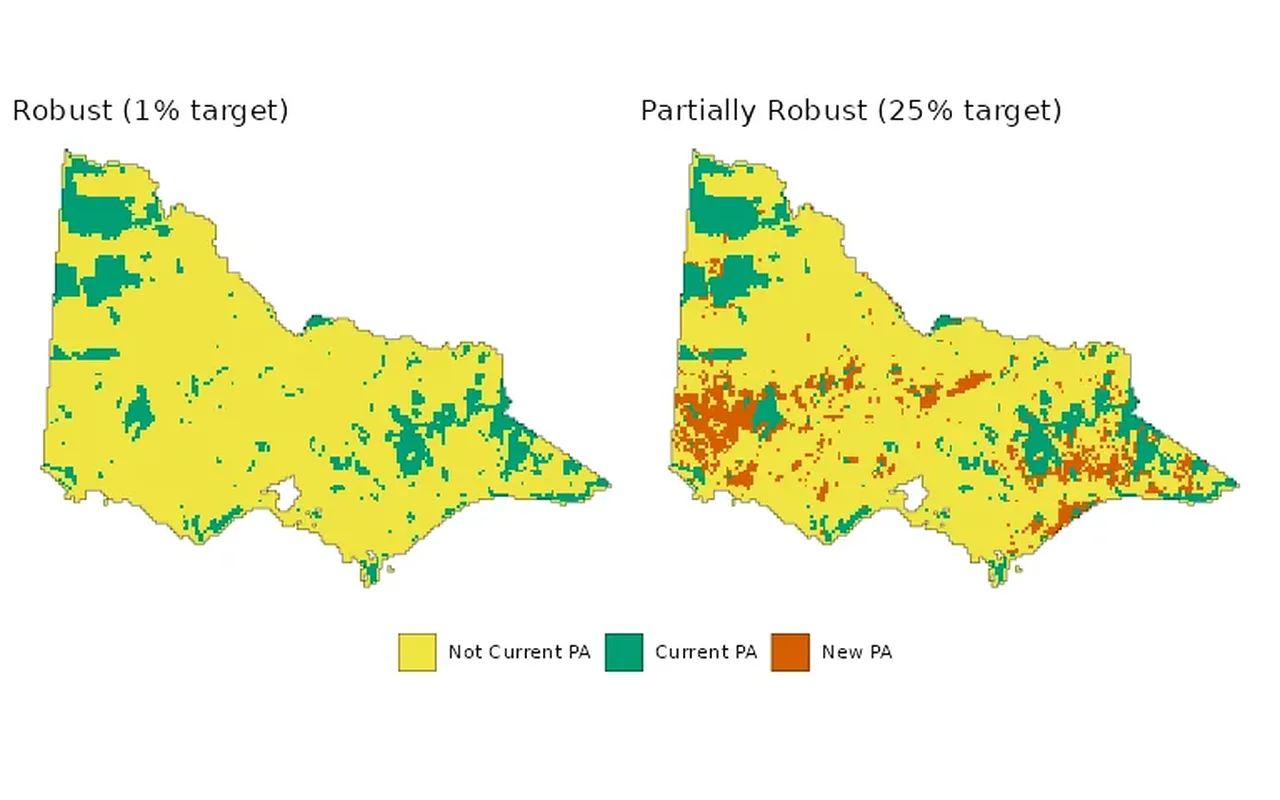
Robust Systematic Conservation Prioritization
An R package for conservation planning under uncertainty — generating solutions robust to climate projections, species distribution models, and ecosystem service estimates.
PNAS 2025
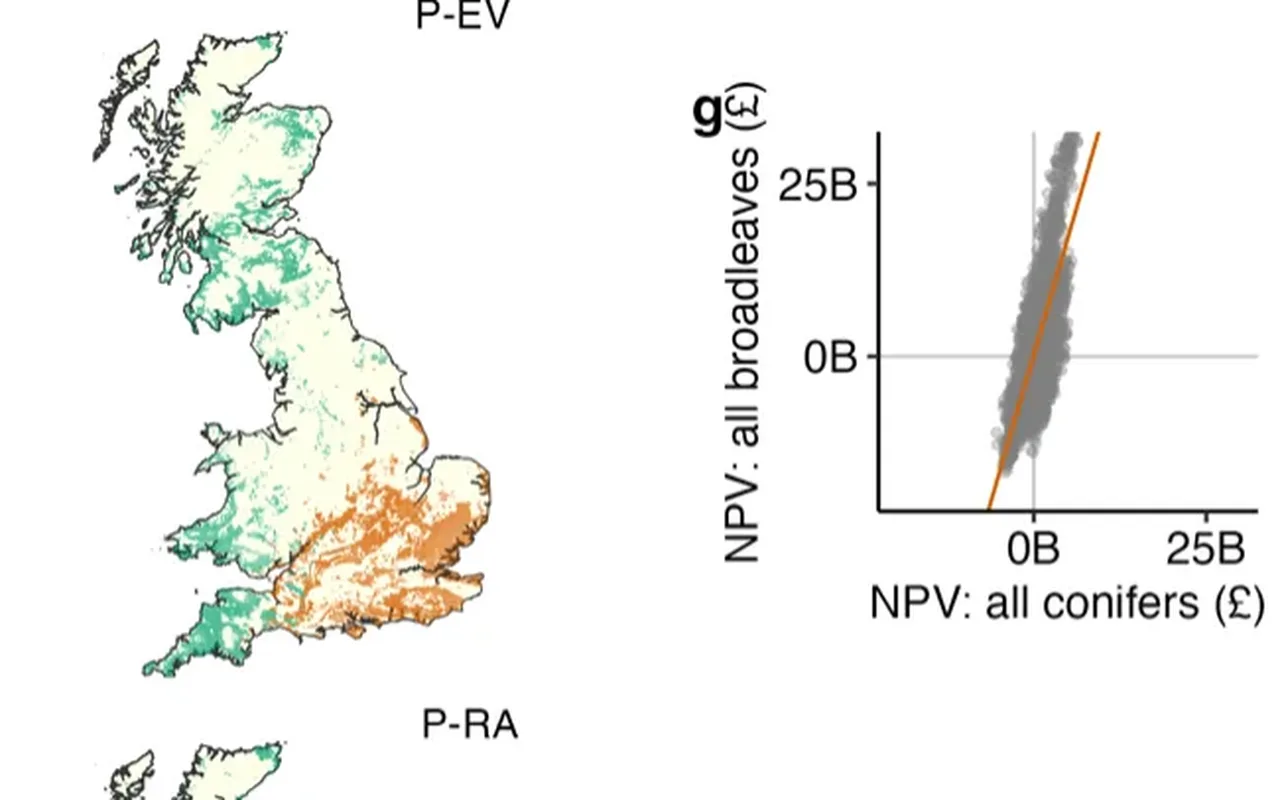
Risk Modelling for UK Tree Planting
Decision-support framework for resilient tree-planting strategies under compounding climate and economic uncertainties, informing national net-zero land use policy.
Presented at EAERE 2022. Media coverage: The Guardian, Phys.org, and others.
Conservation Letters 2025
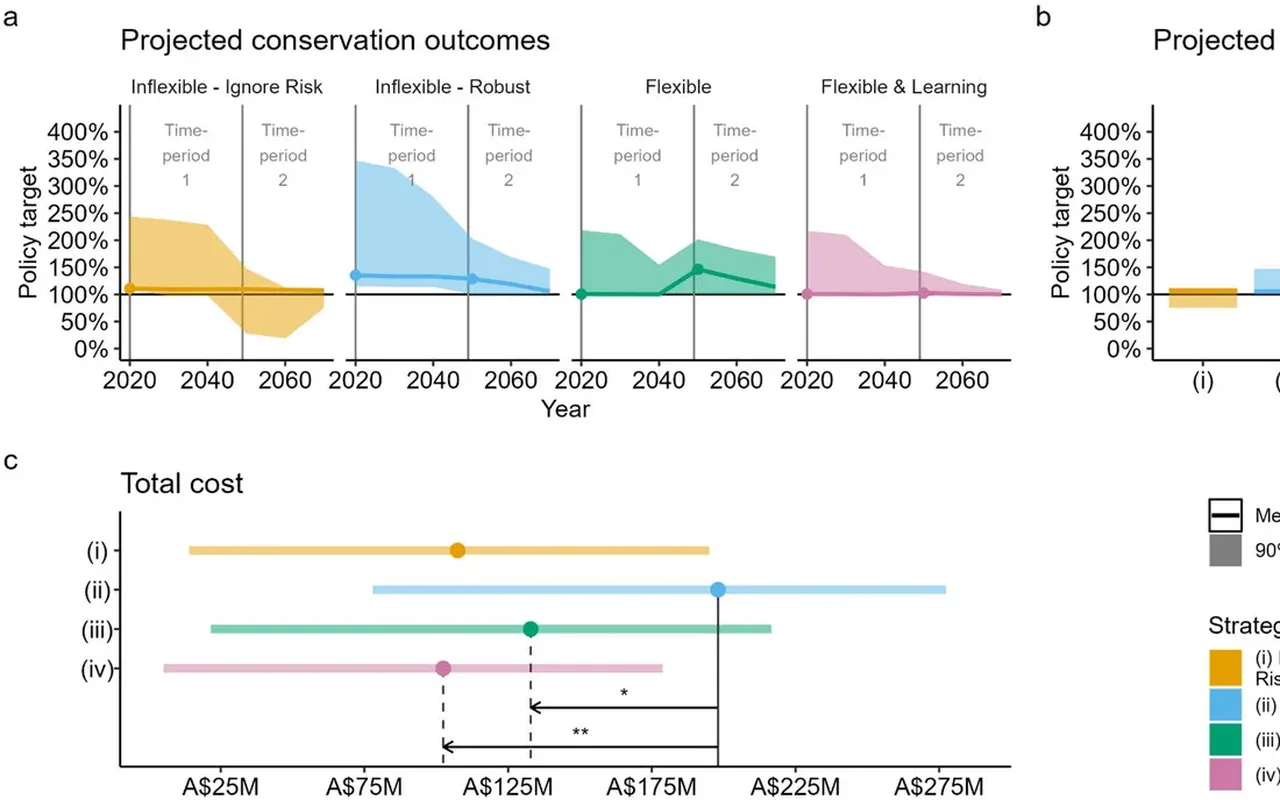
Flexible Koala Conservation Decisions
Stochastic optimization model showing that adaptive conservation strategies can substantially reduce costs and mitigate climate-driven extinction risk for koalas on private land.
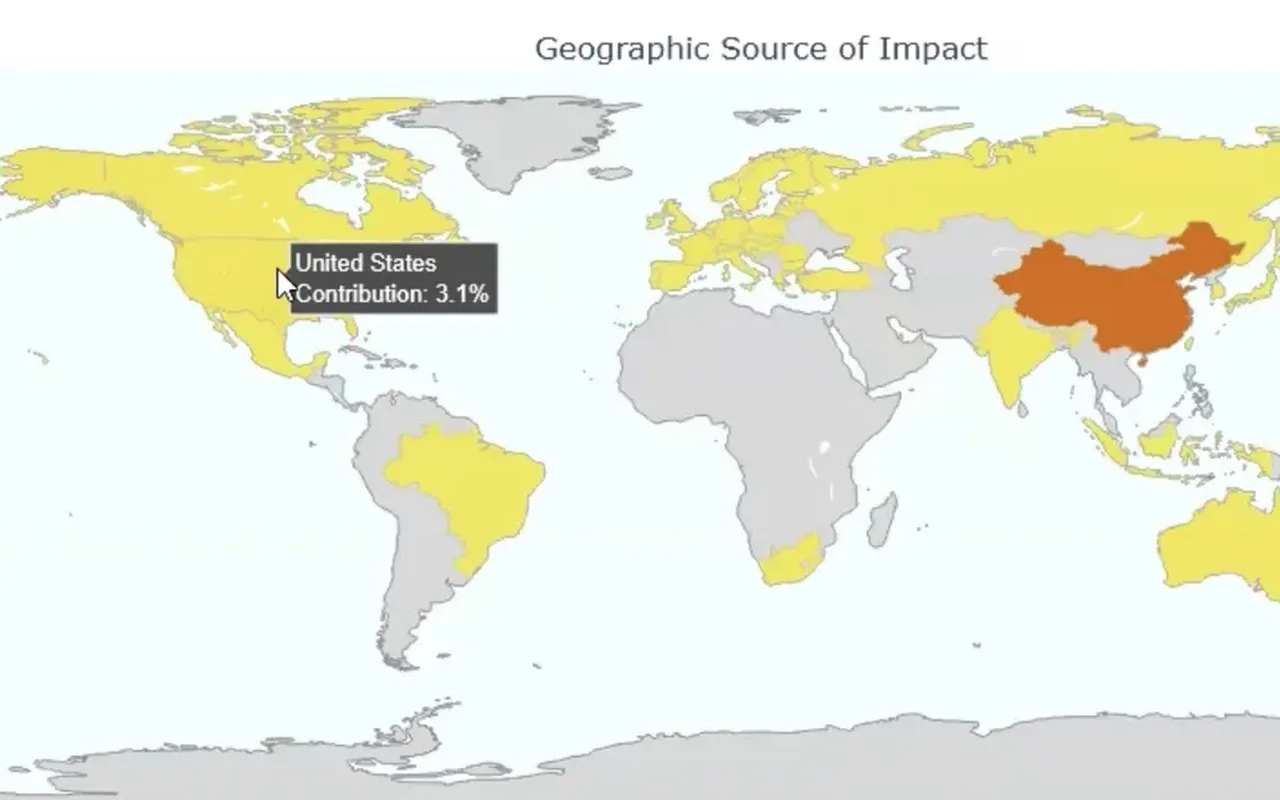
VESDIO — Supply Chain Ecosystem Risk
A web app for quantifying how ecosystem service disruptions propagate through global supply chains, helping businesses assess and disclose nature-related financial risk.
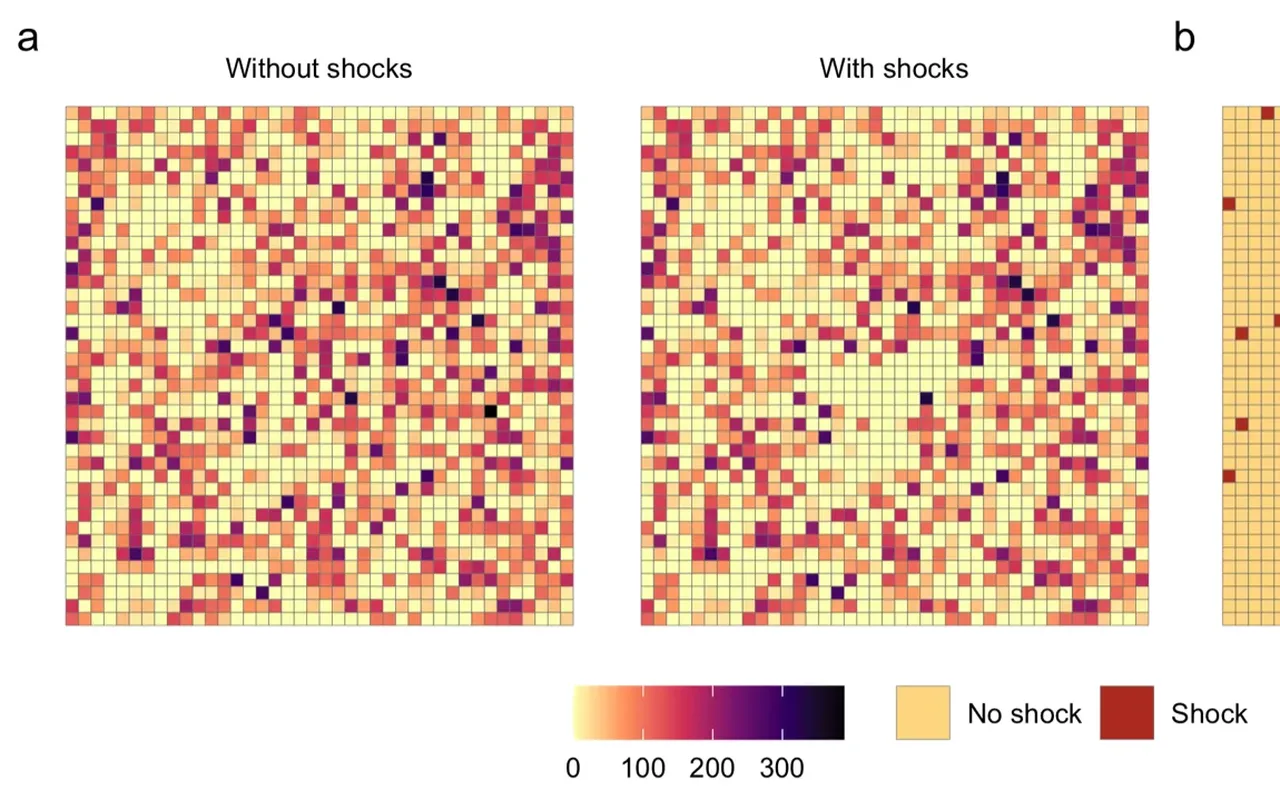
Monte Carlo Landscape Decisions
Monte Carlo experiments showing when risk-averse (CVaR) land-use portfolios outperform expected-value planning under spatially correlated catastrophic shocks such as wildfire.
Presented at BIOECON 2023.
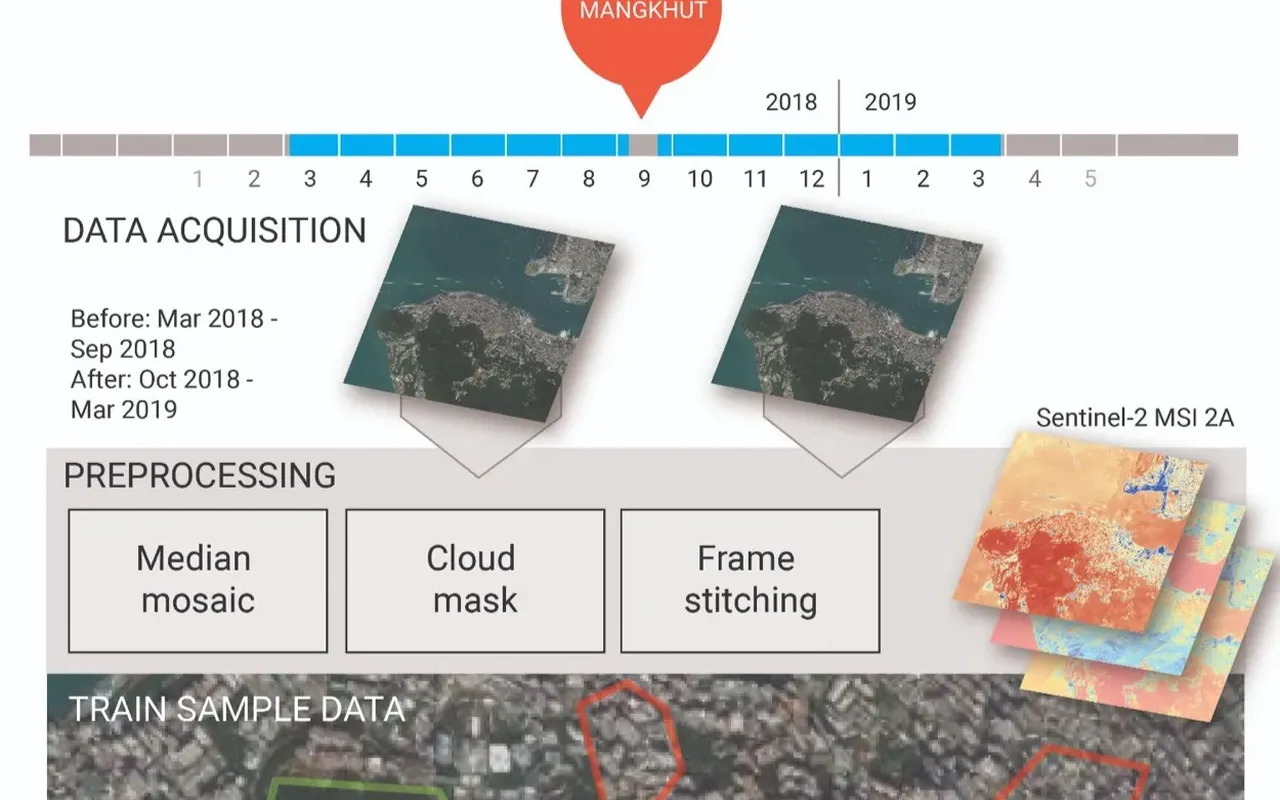
Remote Sensing of Post-Typhoon Effects
Geospatial analysis of typhoon-induced landscape change using satellite imagery, combining Google Earth Engine and ArcGIS to map recovery patterns.
ESRI China Young Scholars Award 2019 — Second Runner-Up.
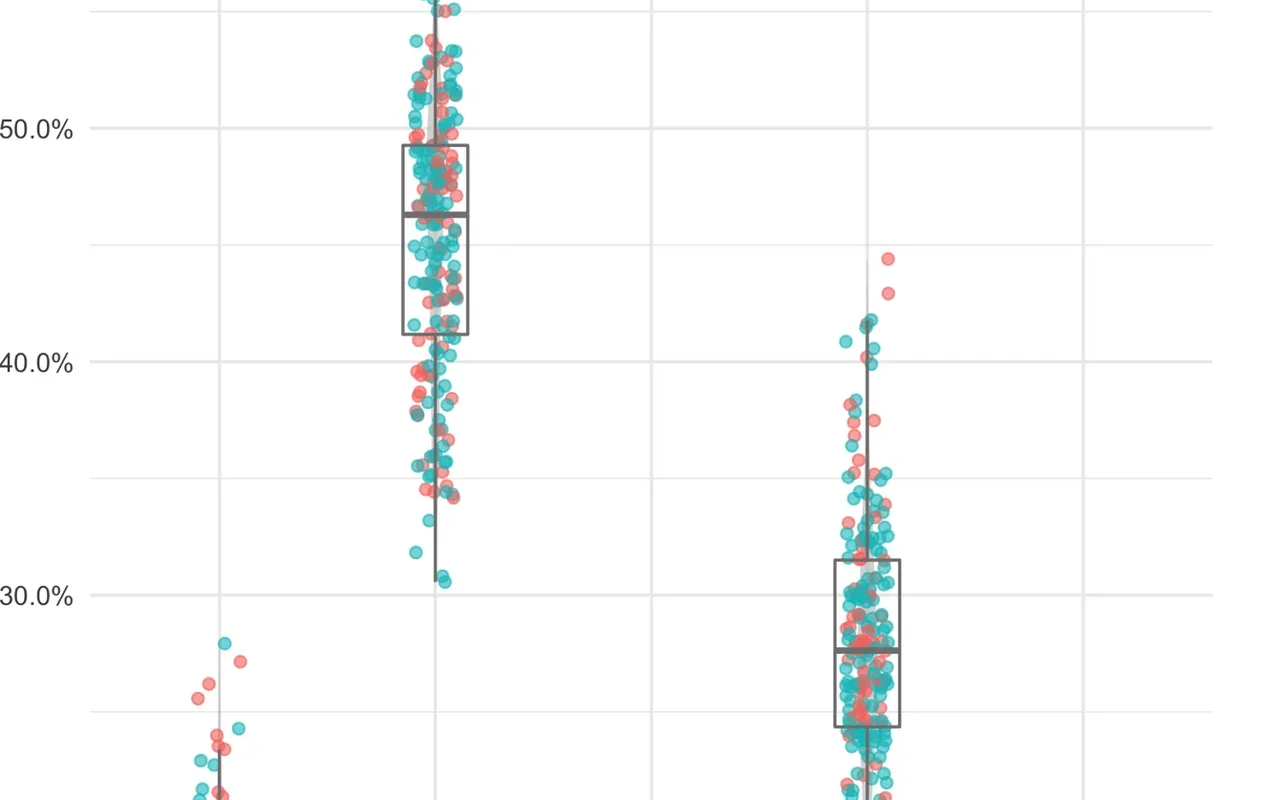
ahpsurvey — Analytic Hierarchy Process for R
CRAN package for the Analytic Hierarchy Process, with tools for aggregation, consistency checking, and sensitivity analysis of survey preference data.
35K+ downloads. Cited in multiple peer-reviewed articles.
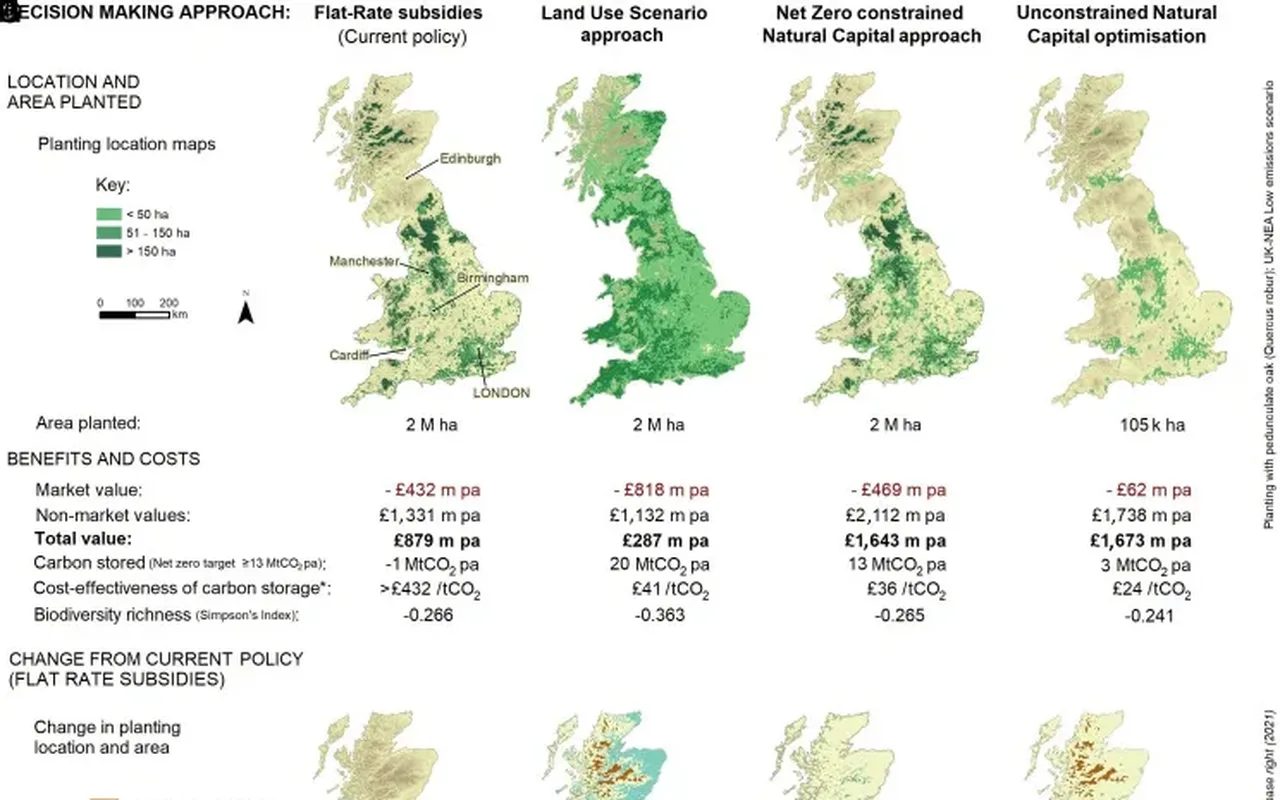
PNAS 2024
Natural Capital and Land Use Policy
Natural capital and optimisation approaches to designing land-use and nature-recovery policy in Great Britain, showing that flat-rate per-hectare payments deliver far less value than policies that optimally price activities, environmental change or ecosystem service flows.
Figure: Bateman et al. 2024, PNAS, CC BY 4.0.
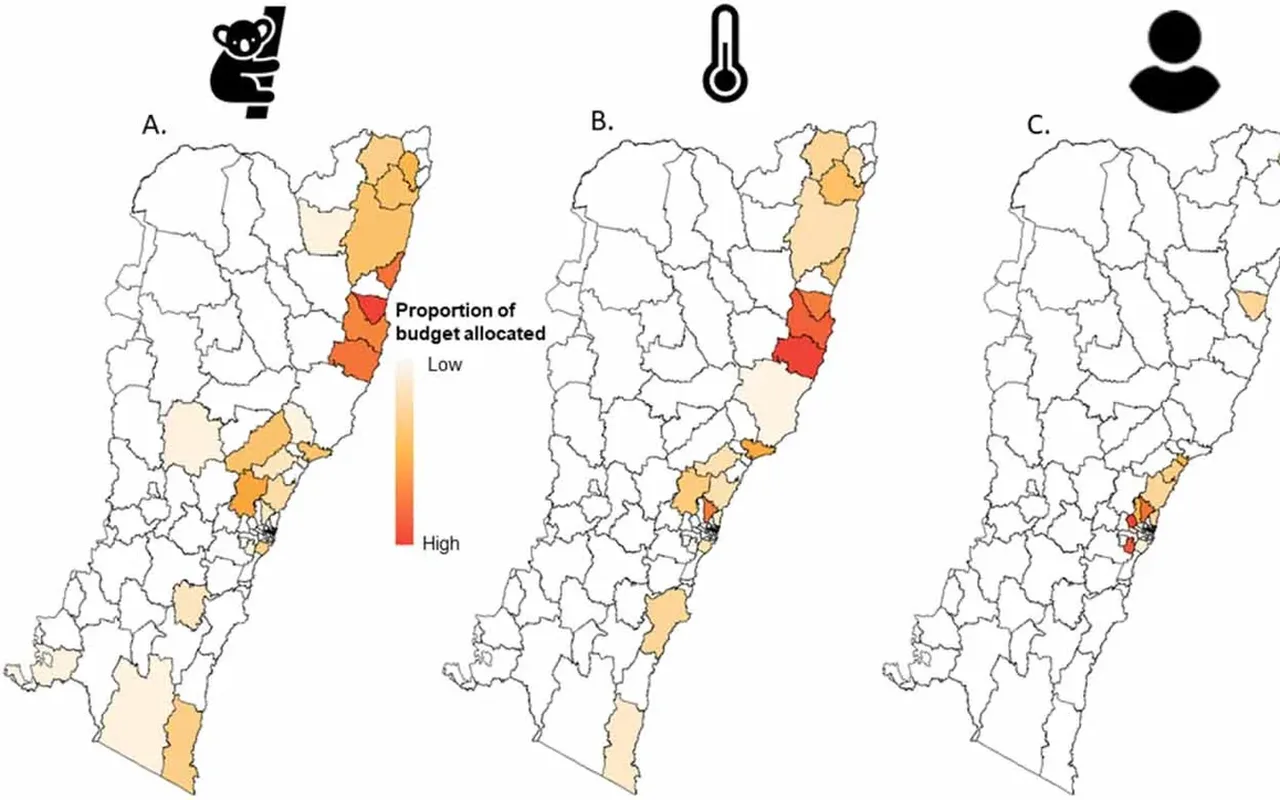
Conservation Letters 2026
People in Private-Land Planning
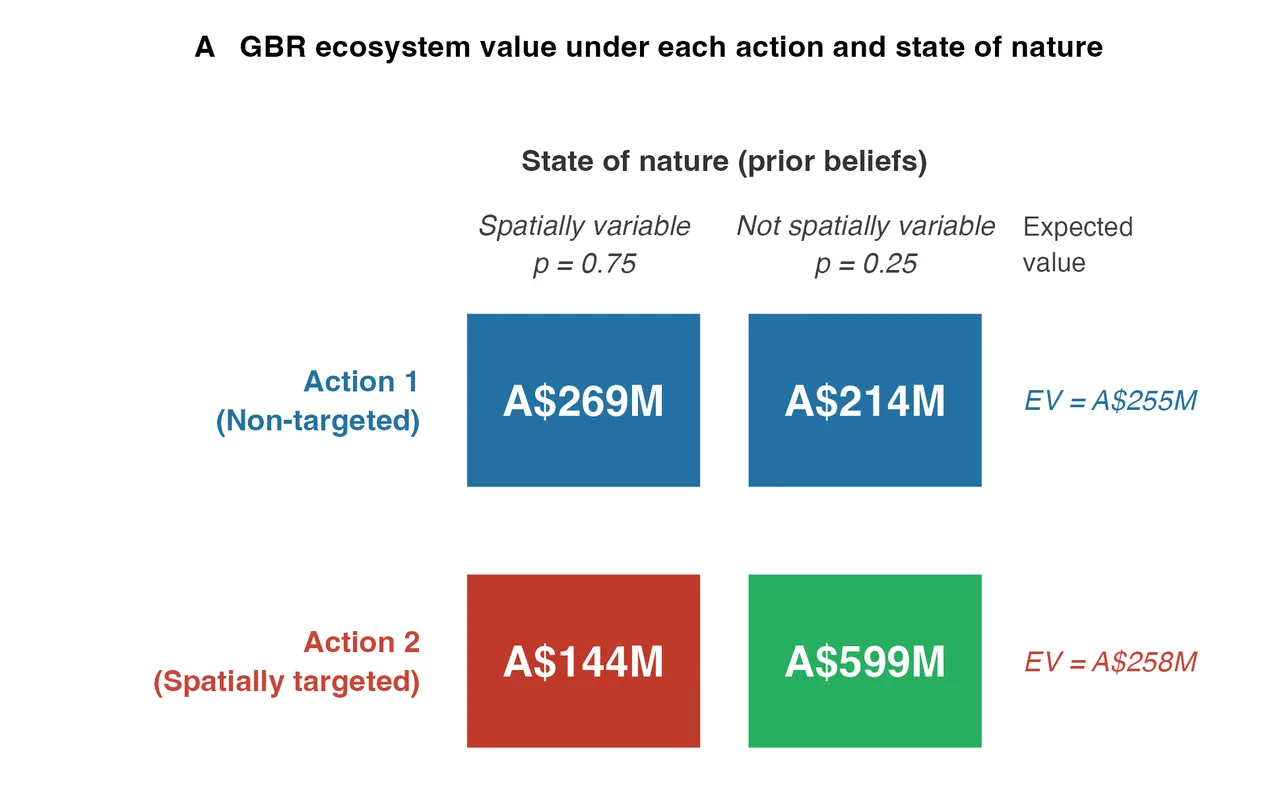
A review of 66 conservation planning studies on how landholders are included, and a koala tender case study where optimal investments depend more on landholder preferences than on climate.
Figures: Archibald et al. 2026; Williams et al. 2024. CC BY 4.0.
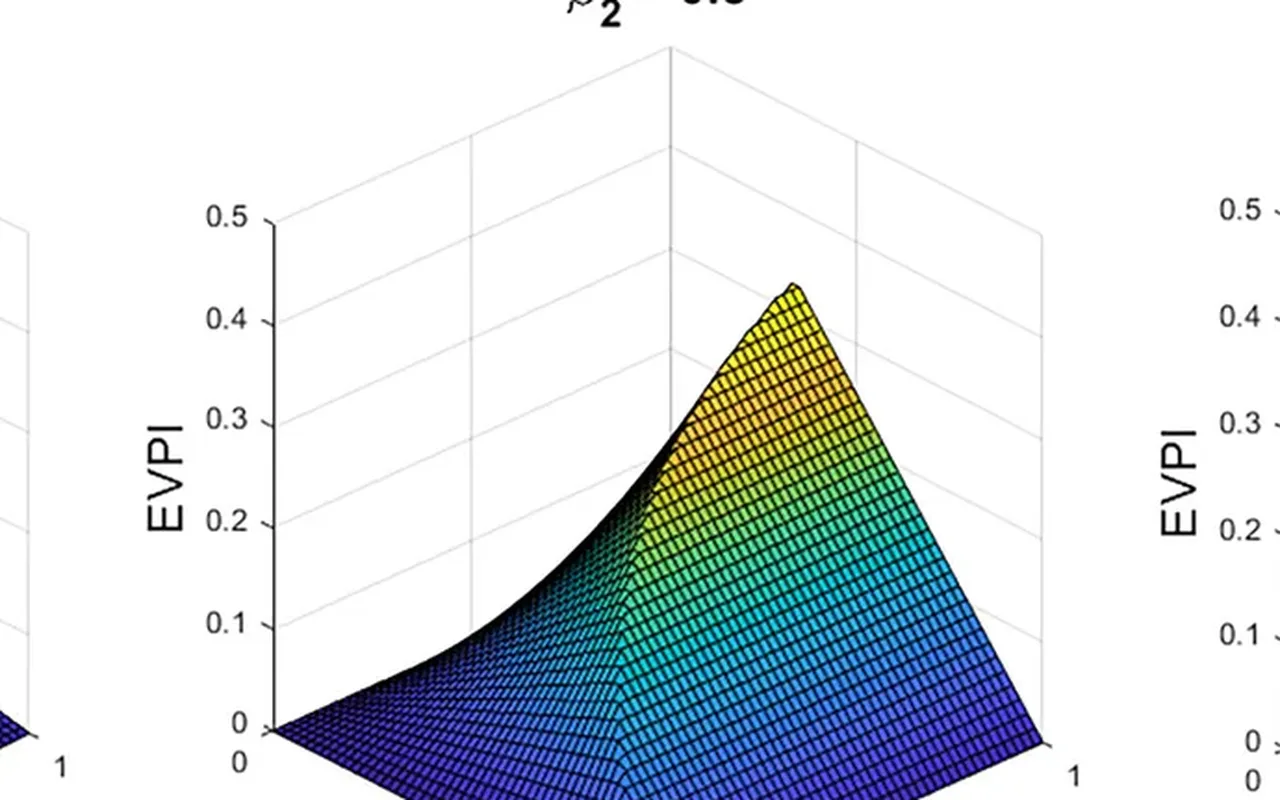
Methods Ecol Evol 2024
Why Collecting More Data Often Isn't Worth It
Explains why value-of-information analyses often find that extra data barely improves management decisions, reconciling this with ecologists' intuition and making the method less of a black box.
Figure: Holden et al. 2024, Methods Ecol Evol, CC BY 4.0.
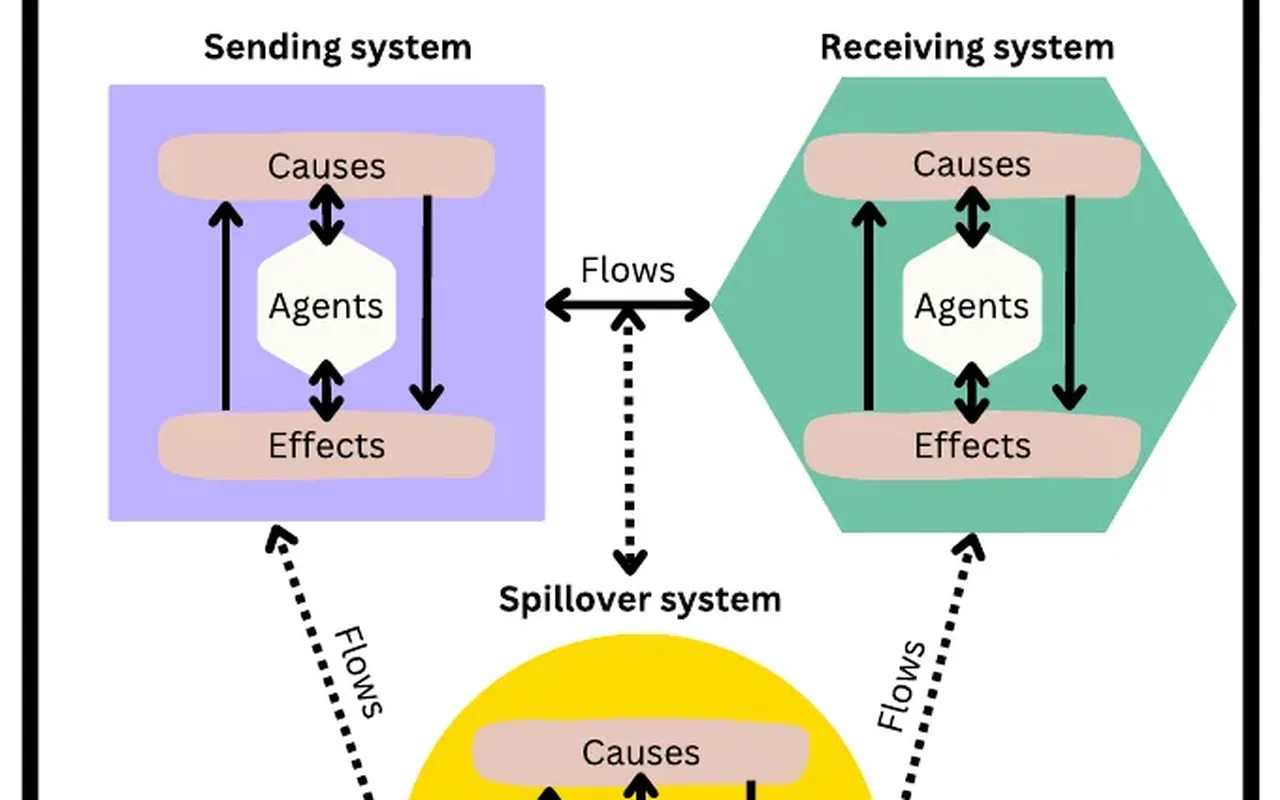
BioScience 2025
Telecoupling and the Forest Carbon Market
Argues that global links between buyers and sellers of forest carbon credits hide social and ecological harms, and recommends prioritising social impact, comprehensive ecological outcomes and transparent investment.
Figure: Williams et al. 2025, BioScience, CC BY-NC 4.0.
Join my group
Open positions
3 open PhD & Honours positions in AI for conservation
Students
Current student projects
5 students currently in the group
- Don't Miss the Exit: Identifying Critical States in Sequential Decision-Making for BiodiversityMaster's thesis · 2026–2027
- Evaluating Protected Area Expansion Strategies for Biodiversity Conservation in AustraliaMaster's project · 2026 Semester 2
- Scaling Up Combinatorial Optimisation for Conservation PlanningUndergraduate project · 2026 Semester 2
Publications
Selected publications
Journal articles
- 2026C. Archibald, B. Williams, A. Tulloch, … F.H.T. Cho, et al. Systematic Conservation Planning for Private Land Can No Longer Overlook People (opens in new tab). Conservation Letters 19(5), e70066.
- 2025F.H.T. Cho, P. Agnolucci, I.J. Bateman, et al. Resilient tree-planting strategies for carbon dioxide removal under compounding climate and economic uncertainties (opens in new tab). Proceedings of the National Academy of Sciences 122(10), e2320961122.
- 2025F.H.T. Cho, B.A. Williams, C.L. Archibald, et al. Flexible Climate Adaptation Can Substantially Reduce Conservation Costs and Mitigate Risk (opens in new tab). Conservation Letters 18(1), e13084.
- 2025B.A. Williams, J.-P. Metzger, F.H.T. Cho, et al. Telecoupling cannot be ignored for the forest-based carbon market (opens in new tab). BioScience 75(1), 61-67.
- 2024I.J. Bateman, A. Binner, E.T. Addicott, … F.H.T. Cho, et al. How to make land use policy decisions: Integrating science and economics to deliver connected climate, biodiversity, and food objectives (opens in new tab). Proceedings of the National Academy of Sciences 121(49), e2407961121.
- 2024B. Day, M. Mancini, I.J. Bateman, … F.H.T. Cho, et al. Natural capital approaches for the optimal design of policies for nature recovery (opens in new tab). Philosophical Transactions of the Royal Society B: Biological Sciences 379.
- 2024M.H. Holden, M.D. Akinlotan, A.D. Binley, … F.H.T. Cho, et al. Why shouldn't I collect more data? Reconciling disagreements between intuition and value of information analyses (opens in new tab). Methods in Ecology and Evolution 15(9), 1580-1592.
- 2024B.A. Williams, C.L. Archibald, J. Brazill-Boast, … F.H.T. Cho, et al. Optimal investments in private land conservation depend more on landholder preferences than climate change (opens in new tab). Environmental Research Letters 19(12), 124047.
- 2023I.J. Bateman, K. Anderson, A. Argles, … F.H.T. Cho, et al. A review of planting principles to identify the right place for the right tree for ‘net zero plus’ woodlands: Applying a place-based natural capital framework for sustainable, efficient and equitable (SEE) decisions (opens in new tab). People and Nature 5(2), 271-301.
- 2021X. Li, W.Y. Chen, F.Z.Y. Hu, … F.H.T. Cho, et al. Homebuyers’ heterogeneous preferences for urban green–blue spaces: A spatial multilevel autoregressive analysis (opens in new tab). Landscape and Urban Planning 216, 104250.
- 2021X. Li, W.Y. Chen, F.H.T. Cho, et al. Bringing the vertical dimension into a planar multilevel autoregressive model: A city-level hedonic analysis of homebuyers' utilities and urban river attributes (opens in new tab). Science of the Total Environment 772, 145547.
- 2021W.Y. Chen, F.H.T. Cho. Understanding China’s transition to environmental information transparency: citizens’ protest attitudes and choice behaviours (opens in new tab). Journal of Environmental Policy & Planning 23(3), 275-301.
- 2021F.H.T. Cho, W.Y. Chen, J. Hua. Validating Citizens’ Preferences for Restoring Urban Riverscape: Discrete Choice Experiment versus Analytical Hierarchy Process (opens in new tab). Journal of Water Resources Planning and Management 147(7), 05021005.
- 2021J. Hua, W.Y. Chen, I. Liekens, … F.H.T. Cho, et al. Partial attribute attendance in environmental choice experiments: A comparative case study between Guangzhou (China) and Brussels (Belgium) (opens in new tab). Journal of Environmental Management 285, 112107.
- 2020X. Li, W.Y. Chen, F.H.T. Cho. 3-D spatial hedonic modelling: Environmental impacts of polluted urban river in a high-rise apartment market (opens in new tab). Landscape and Urban Planning 203, 103883.
- 2019W.Y. Chen, F.H.T. Cho. Environmental information disclosure and societal preferences for urban river restoration: Latent class modelling of a discrete-choice experiment (opens in new tab). Journal of Cleaner Production 231, 1294-1306.
- 2018L. Ran, M. Tian, N. Fang, … F.H.T. Cho, et al. Riverine carbon export in the arid to semiarid Wuding River catchment on the Chinese Loess Plateau (opens in new tab). Biogeosciences 15(12), 3857-3871.
Preprints & software
- 2026F.H.T. Cho, J. Hanson. robust.prioritizr: Robust Systematic Conservation Prioritization (opens in new tab). EcoEvoRxiv (preprint).
- 2026X. Yang, F.H.T. Cho, I. Chadès. Windowed AK-MDP (opens in new tab). arXiv preprint arXiv:2609.13676.
About
About me
I'm a Research Fellow in Data Science and AI at Monash University. I build optimisation and AI methods that help people make better decisions for nature: where to protect, restore or plant, and how to adapt those plans as climate, markets and knowledge change.
My work sits where ecology, economics and computer science meet. I combine mixed-integer and stochastic optimisation, sequential decision-making (Markov decision processes and reinforcement learning) and spatial data science to turn uncertain ecological and economic evidence into decisions that hold up across many possible futures.
This research has supported decisions on both sides of the world: national tree planting for net zero in the UK, with decision support for Defra, and koala conservation on private land in New South Wales, with the NSW Biodiversity Conservation Trust. It has been published in PNAS, Conservation Letters and Environmental Research Letters. I also turn methods into tools people use, including the robust.prioritizr (opens in new tab) and ahpsurvey (opens in new tab) R packages. Previously, as a nature and biodiversity consultant, I built analytics that help companies assess nature-related risk across their supply chains.
I trained in geography and environmental economics at the University of Hong Kong, then completed a joint PhD at the University of Exeter and the University of Queensland, including an Alan Turing Institute enrichment placement. Along the way I've also worked as a GIS analyst and a front-end software engineer, so I care about building tools that are fast, usable and open.
I'm keen to collaborate with ecologists, conservation agencies, optimisation and AI researchers, and organisations facing hard trade-offs between land use, biodiversity and climate. If you have a difficult decision problem, I'd love to hear about it.